
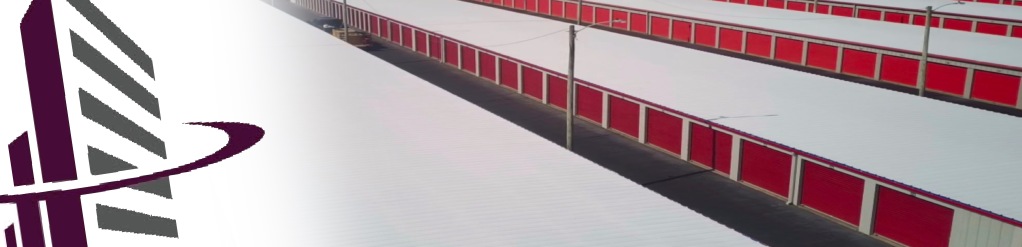
If you manage or own a commercial building in Ohio, choosing the right roofing system is a critical decision. Between harsh winters, hot summers, and frequent rain, your roof needs to protect your property, manage energy costs, and last for decades. One of the most popular options for Ohio businesses is TPO roofing (Thermoplastic Polyolefin).
This guide explains what TPO is, how it’s installed, its benefits, and what Ohio building owners can expect in terms of performance and costs—while still providing information that’s useful for anyone nationwide.
What Is TPO Roofing?
TPO stands for Thermoplastic Polyolefin, a single-ply roofing membrane used primarily on flat or low-slope roofs.
-
Composition: A blend of polypropylene and ethylene-propylene rubber, reinforced with polyester mesh for strength.
-
Seams: Hot-air welded to create a continuous, watertight surface.
-
Colors: Most commonly white (highly reflective), but also light gray or tan to suit design preferences.
-
Thickness: Typically 45, 60, or 80 mil.
TPO is known for combining durability, energy efficiency, and cost-effectiveness, making it ideal for commercial properties in climates like Ohio’s, where seasonal temperature swings can challenge roofing systems.
Why TPO Works Well in Ohio
Ohio’s climate poses unique challenges for commercial roofs:
-
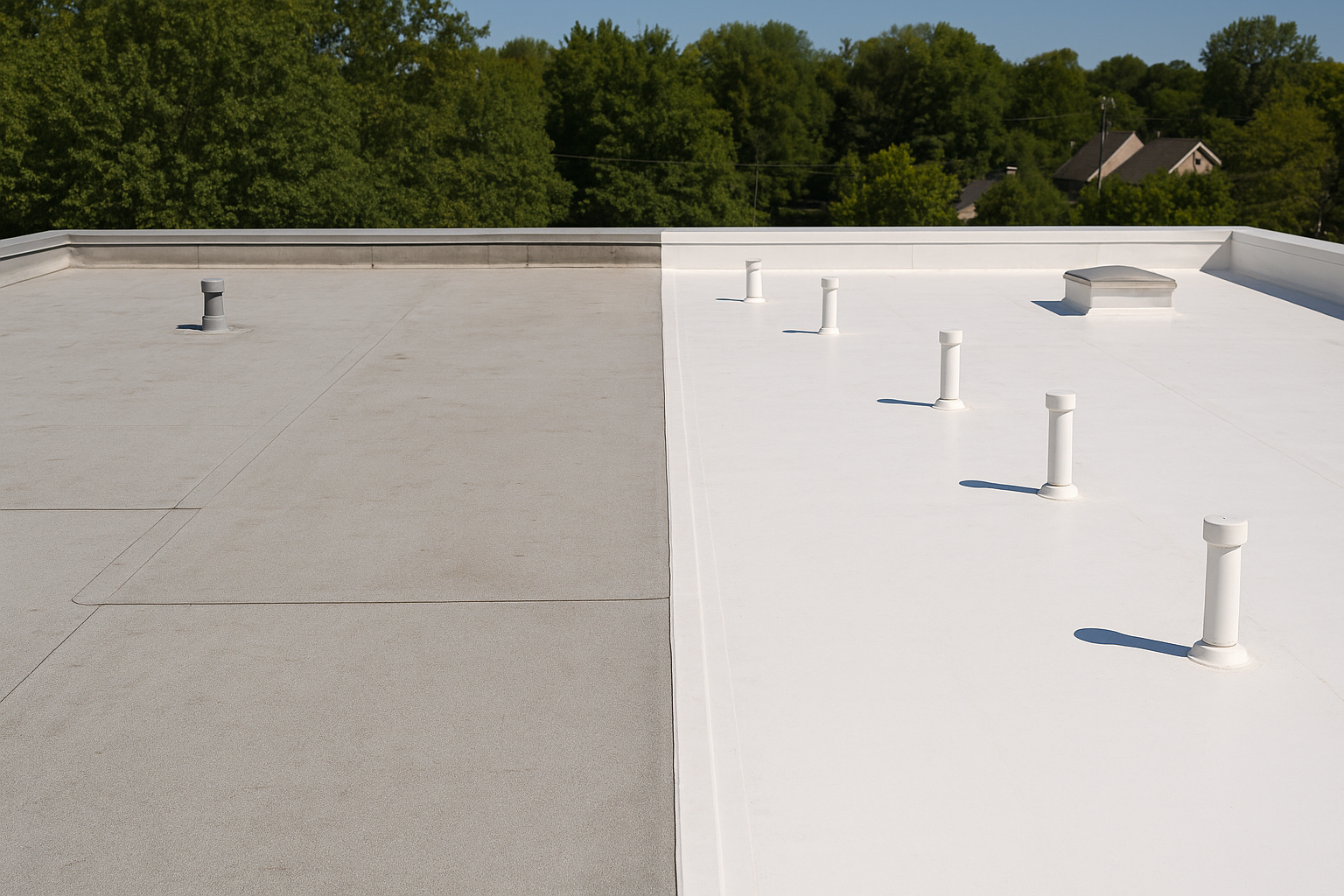
Hot summers can increase cooling costs. TPO’s reflective surface helps reduce heat absorption.
-
Cold winters and freeze-thaw cycles can damage some roofing materials. TPO is flexible, expanding and contracting without cracking.
-
Frequent rain and occasional snow mean flat roofs must be watertight—TPO’s heat-welded seams minimize leak risks.
Because of these factors, Ohio property owners often prefer TPO over traditional asphalt or older single-ply systems like EPDM.
Common Ohio Applications
TPO is widely used on:
-
Office buildings and corporate campuses in cities like Columbus, Cleveland, and Cincinnati
-
Warehouses and distribution centers in industrial regions
-
Retail centers and shopping malls
-
Hospitals, schools, and multifamily housing
Its energy efficiency is particularly appealing for buildings with large flat roofs, where cooling costs can be significant in the summer.
Benefits of TPO Roofing
-
Energy Efficiency
-
White TPO reflects sunlight, lowering cooling costs during Ohio’s hot summers.
-
Can help buildings earn ENERGY STAR® and LEED credits.
-
-
Durability
-
Resistant to punctures, tears, and UV damage.
-
Handles Ohio’s temperature extremes better than many alternative materials.
-
-
Cost-Effectiveness
-
Less expensive than PVC while offering similar benefits.
-
Low maintenance reduces long-term operating costs.
-
-
Strong Seams
-
Heat-welded seams are more durable than glued or taped alternatives, minimizing leak risks.
-
-
Adaptability
-
Performs well across climates, making it suitable for both northern and southern Ohio.
-
TPO vs. Other Roofing Systems
| Feature | TPO (Thermoplastic Polyolefin) | EPDM (Rubber) | PVC (Polyvinyl Chloride) |
|---|---|---|---|
| Color | White / light colors | Black (white available) | White / light colors |
| Reflectivity | High | Low | High |
| Durability | 20–30 years | 25–30 years | 20–30 years |
| Seam Strength | Heat-welded (strong) | Adhesive/tape | Heat-welded (strong) |
| Installed Cost | $5–$9 per sq. ft. | $4–$8 per sq. ft. | $7–$12 per sq. ft. |
| Best Use Case | Flat/low-slope commercial roofs | Proven budget-friendly | Chemical/industrial areas |
Take a closer look at TPO vs. EPDM here.
Take a closer look at TPO vs. PVC here.
Costs of TPO Roofing in Ohio
Pricing for TPO roofing can vary by city, roof size, and project complexity:
-
Material costs: $1.50 – $3.00 per sq. ft.
-
Installed costs (labor + materials): $5 – $9 per sq. ft.
Example for Ohio Commercial Buildings:
For a 20,000 sq. ft. warehouse:
-
Lower end: ~$100,000 (basic system, minimal prep)
-
Higher end: ~$180,000 (thicker membrane, insulation upgrades, complex layout)
Factors that influence costs in Ohio:
-
Membrane thickness (45–80 mil)
-
Tear-off vs. overlay of existing roof
-
Insulation type and R-value for energy efficiency
-
Roof penetrations (HVAC, skylights, drains)
-
Local labor rates and contractor availability
Maintenance and Longevity
TPO roofs last 20–30 years when properly installed. Key maintenance steps for Ohio buildings:
-
Annual inspections in spring and fall
-
Clean roof surfaces to maintain reflectivity
-
Check seams, flashings, and penetrations for damage
-
Clear drains and gutters to prevent ponding water
-
Address small issues promptly to extend life
Warranties
Most TPO manufacturers offer 10–30 year warranties covering:
-
Material defects
-
Seam and membrane performance
-
Leak protection (with certified installers)
Choosing a certified Ohio contractor is critical to ensure warranty coverage.
Why Ohio Businesses Choose TPO
-
Energy efficiency reduces summer cooling costs
-
Durability withstands winter freeze-thaw cycles
-
Low maintenance for property managers
-
Cost-effective compared to PVC or full built-up systems
-
Strong manufacturer warranties
Conclusion
For Ohio commercial buildings, TPO roofing offers an ideal combination of performance, affordability, and energy savings. Whether you’re in Cleveland, Columbus, Cincinnati, or anywhere in between, TPO adapts to regional climate challenges while remaining a reliable, long-term investment.
For national readers, the benefits of TPO—durability, energy efficiency, cost-effectiveness, and low maintenance—apply to virtually any commercial building with a flat or low-slope roof.
If you’re considering TPO roofing, schedule a professional inspection with a certified contractor. They’ll evaluate your roof, explain your options, and provide a detailed estimate tailored to your property and local conditions.