

If your commercial flat roof is leaking or showing wear, you’re faced with a big question: should you repair it or replace it?
Both options have their place. The right decision depends on your roof’s age, condition, materials, and long-term budget.
Here’s how to tell whether a few targeted repairs will buy you more time — or if investing in a full replacement will save you money (and stress) in the long run.
1. Start with a Professional Roof Inspection
Before making any decision, it’s critical to understand the true condition of your roof. A professional commercial roofing contractor can identify whether the problem is surface-level or structural.
During an inspection, the contractor will:
Examine seams, flashing, and drainage systems
Look for trapped moisture or saturated insulation
Check for cracks, punctures, or bubbles in the membrane
Evaluate the condition of the roof deck beneath the surface
A qualified roofer can tell you whether repairs are still viable or whether the damage has spread beyond the point of cost-effective patching.
2. When Flat Roof Repair Makes Sense
Flat roof repair is usually the better option when:
The Roof Is Relatively New
If your roof is less than 10–15 years old and made from a durable material like TPO, EPDM, or PVC, repairs are often worthwhile. Modern single-ply membranes are designed for patching, resealing, and spot treatment.
The Damage Is Localized
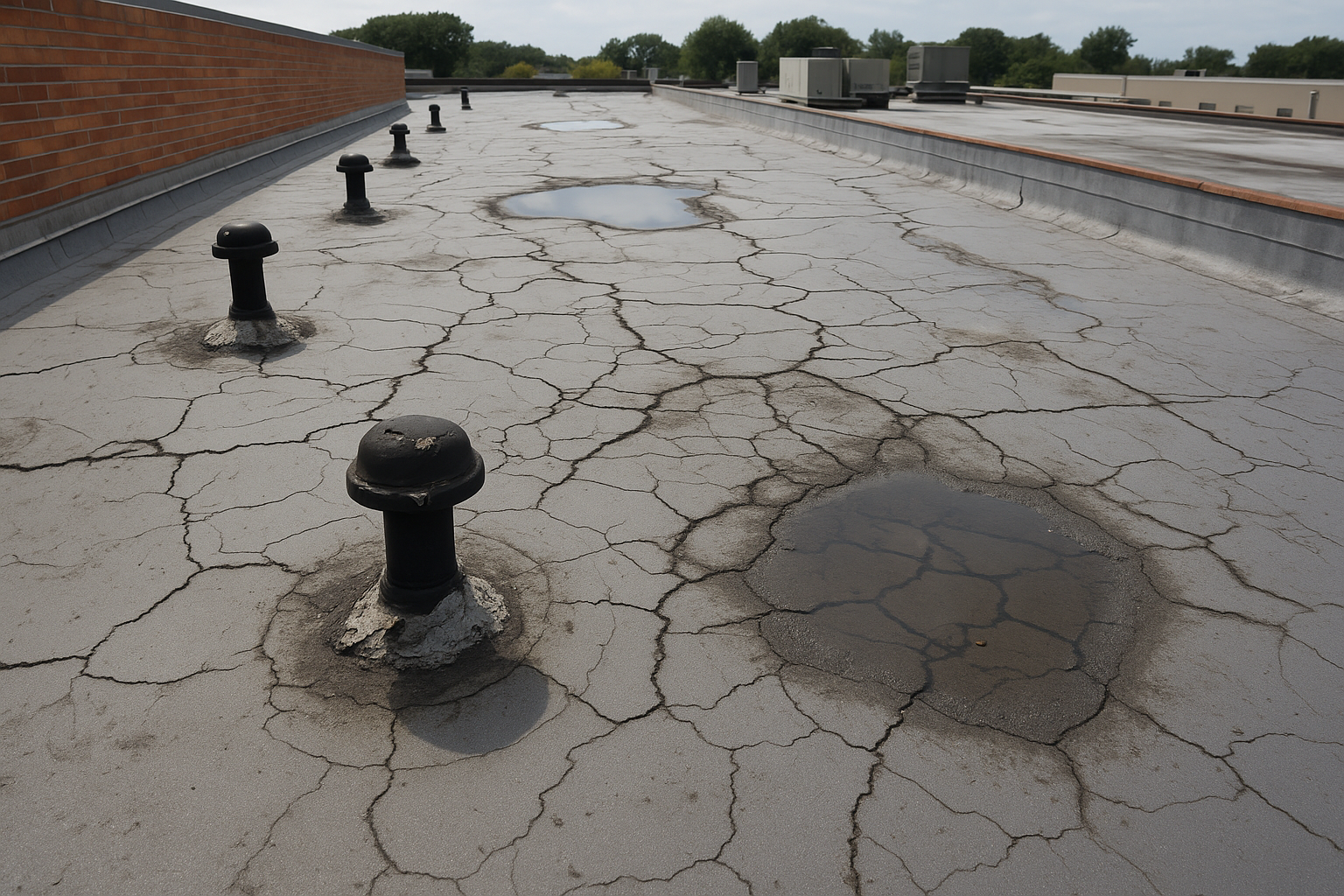
Small issues — such as a puncture from equipment, a damaged seam, or minor ponding — can often be repaired without replacing the entire system.
The Membrane Is Still in Good Condition
If the surface is still flexible and well-adhered, and the insulation below is dry, a patch or re-welded seam can restore watertight protection.
You Need a Short-Term Solution
If you’re planning to sell or remodel the property in the near future, a professional repair might be the most practical, cost-effective choice.
3. When Flat Roof Replacement Is the Better Option
While repairs can extend a roof’s life, replacement becomes the better investment when underlying problems are too severe or widespread.
The Roof Is Near the End of Its Lifespan
All materials wear out eventually. Once your roof hits 20–30 years (depending on material), repairs offer diminishing returns.
| Roofing Type | Typical Lifespan |
|---|---|
| TPO | 20–30 years |
| EPDM | 25–30+ years |
| PVC | 25–35 years |
| Modified Bitumen | 15–25 years |
| Built-Up Roofing (BUR) | 20–30 years |
At this stage, replacing the roof often costs less over time than repeated repairs.
You’re Seeing Frequent Leaks
If leaks keep returning — especially in new areas — the waterproofing layer has likely failed. Moisture may be trapped under the membrane, causing insulation and deck damage.
Ponding Water or Sagging Areas
Persistent standing water or visible dips in the roof deck mean drainage has failed. These problems usually point to deeper structural issues that can’t be solved with patches alone.
Energy Efficiency Has Declined
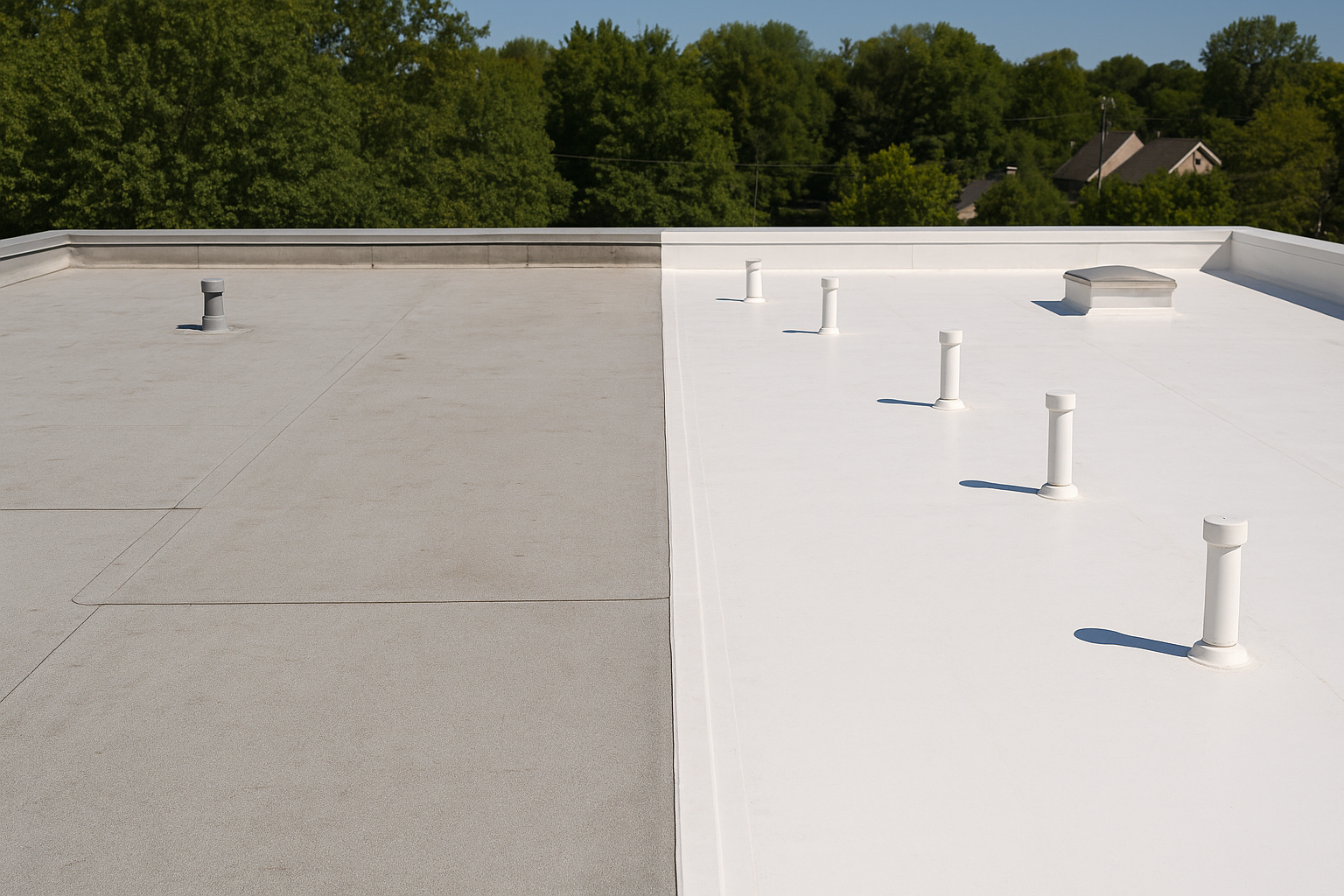
Older roofing materials lose reflectivity and insulation value. A new TPO or PVC membrane can dramatically lower your energy bills while improving comfort inside the building.
Repair Costs Are Adding Up
If repair bills start to exceed 25–30% of the cost of a new roof, replacement becomes the more economical choice.
Learn more about signs that you need to replace your flat roof
4. The Cost Comparison
Repair Costs:
Minor patching or seam repairs: $300–$800
Moderate leak repair: $1,000–$2,000
Flashing replacement or partial reseal: $2,000–$4,000
Replacement Costs:
Full tear-off and replacement: $6–$12 per square foot, depending on the system, roof size, and insulation.
While replacement is more expensive upfront, it provides:
A fresh warranty (often 20–30 years)
Improved insulation and energy savings
Less risk of future leaks or hidden damage
5. Consider a Roof Restoration System
If your roof is older but still structurally sound, a roof coating or restoration system can bridge the gap between repair and replacement.
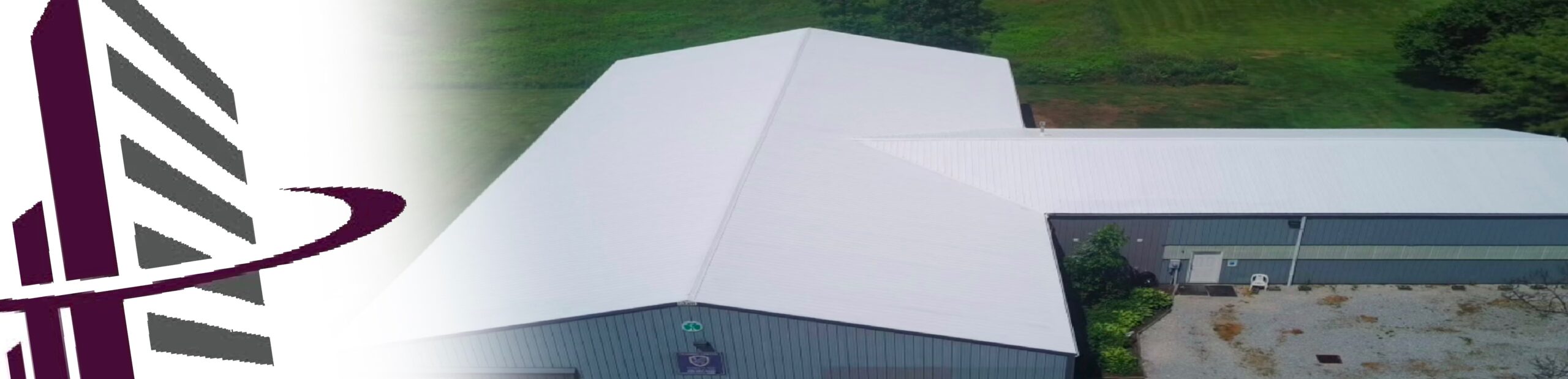
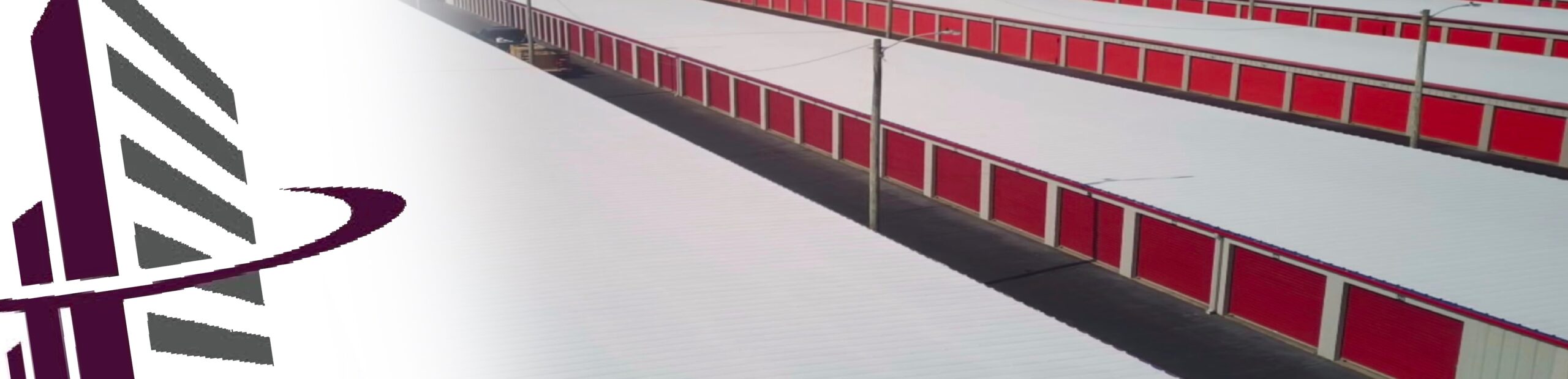
Coatings (such as silicone, acrylic, or polyurethane) are applied over the existing surface to create a seamless, waterproof barrier. They can:
Extend your roof’s life by 10–15 years
Improve energy efficiency
Avoid the cost and disruption of a full tear-off
This option works best when the insulation and deck remain dry and intact.
6. Ohio Weather: A Deciding Factor
Flat roofs in Ohio endure a unique climate challenge — hot summers, freeze-thaw cycles, and heavy snowfall. These extremes accelerate aging and expansion/contraction stress.
In many cases, what might be a simple patch in a milder climate can turn into recurring leaks in Ohio’s weather. That’s why professional evaluation from a contractor who understands Ohio’s temperature swings, snow loads, and storm patterns is so important.
7. Long-Term ROI Considerations
When deciding between repair and replacement, think beyond the immediate cost. A new roof offers:
Peace of mind against future leaks
Lower energy bills through modern reflective materials
Stronger warranties (often up to 30 years)
Improved property value and resale potential
Meanwhile, repairs may make sense for shorter-term needs or when the rest of the roof remains in solid shape.
8. Making the Final Decision
Here’s a quick breakdown to guide you:
| Situation | Best Option |
|---|---|
| Minor leak, under 10 years old | Repair |
| Moderate wear, but solid structure | Repair or restore |
| Multiple leaks, over 20 years old | Replace |
| Widespread ponding or sagging | Replace |
| Energy costs climbing | Replace |
| Preparing to sell soon | Repair |
When in doubt, always get a professional inspection and estimate for both options. A reputable roofing company will give you honest guidance and detailed cost comparisons before you commit.
Final Thoughts
Flat roof repair and replacement aren’t one-size-fits-all decisions. The best choice depends on your roof’s condition, age, and your long-term plans for the building.
When properly evaluated and installed, a new flat roofing system — whether TPO, EPDM, or PVC — can deliver decades of reliable, energy-efficient performance.
Need help deciding whether you need your commercial roof repaired or replaced? Reach out to us today and schedule an appointment with our experts.