
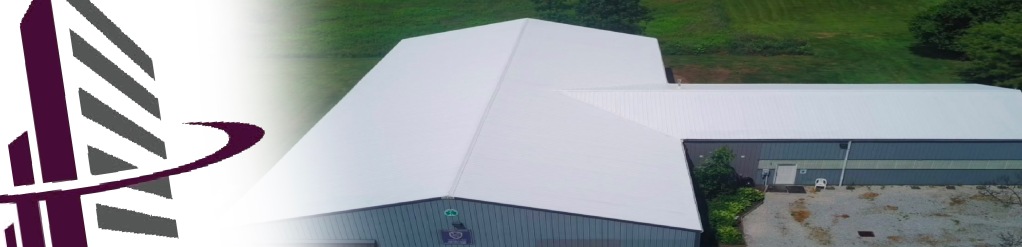
When it comes to flat and low-slope commercial roofing, two systems often top the list: TPO (Thermoplastic Polyolefin)and EPDM (Ethylene Propylene Diene Monomer). Both are types of single-ply roofing membranes designed to protect large buildings from the elements, and both are widely used throughout the U.S.
So how do you choose between them? Each has its strengths and ideal applications, and the right choice often depends on climate, budget, and long-term goals.
Let’s break them down side by side.
What Is TPO Roofing?
TPO is a synthetic roofing membrane made from polypropylene and ethylene-propylene rubber, reinforced with polyester. It comes in rolls, usually in white, gray, or tan.
TPO’s seams are heat-welded, creating an exceptionally strong, watertight bond. It’s a relatively newer system, introduced in the 1990s, but has quickly become one of the most popular options for commercial roofs.
Lifespan: 20–30 years with proper installation and maintenance
Best for: Energy savings and durable seams
Common building types: Warehouses, distribution centers, retail stores, medical facilities, multifamily housing
What Is EPDM Roofing?
EPDM, often called “rubber roofing,” has been around since the 1960s and has one of the longest track records of success in commercial roofing. It’s a black (sometimes white) synthetic rubber membrane, installed in large rolls.
Seams are joined using adhesives or seam tape. While not quite as strong as heat-welded seams, EPDM’s flexibility makes it very resistant to cracking and movement caused by temperature swings.
Lifespan: 25–30+ years; sometimes 40 years with excellent maintenance
Best for: Budget-friendly installs and proven reliability
Common building types: Schools, manufacturing facilities, budget-conscious property owners
Key Differences Between TPO and EPDM
1. Energy Efficiency & Climate Performance
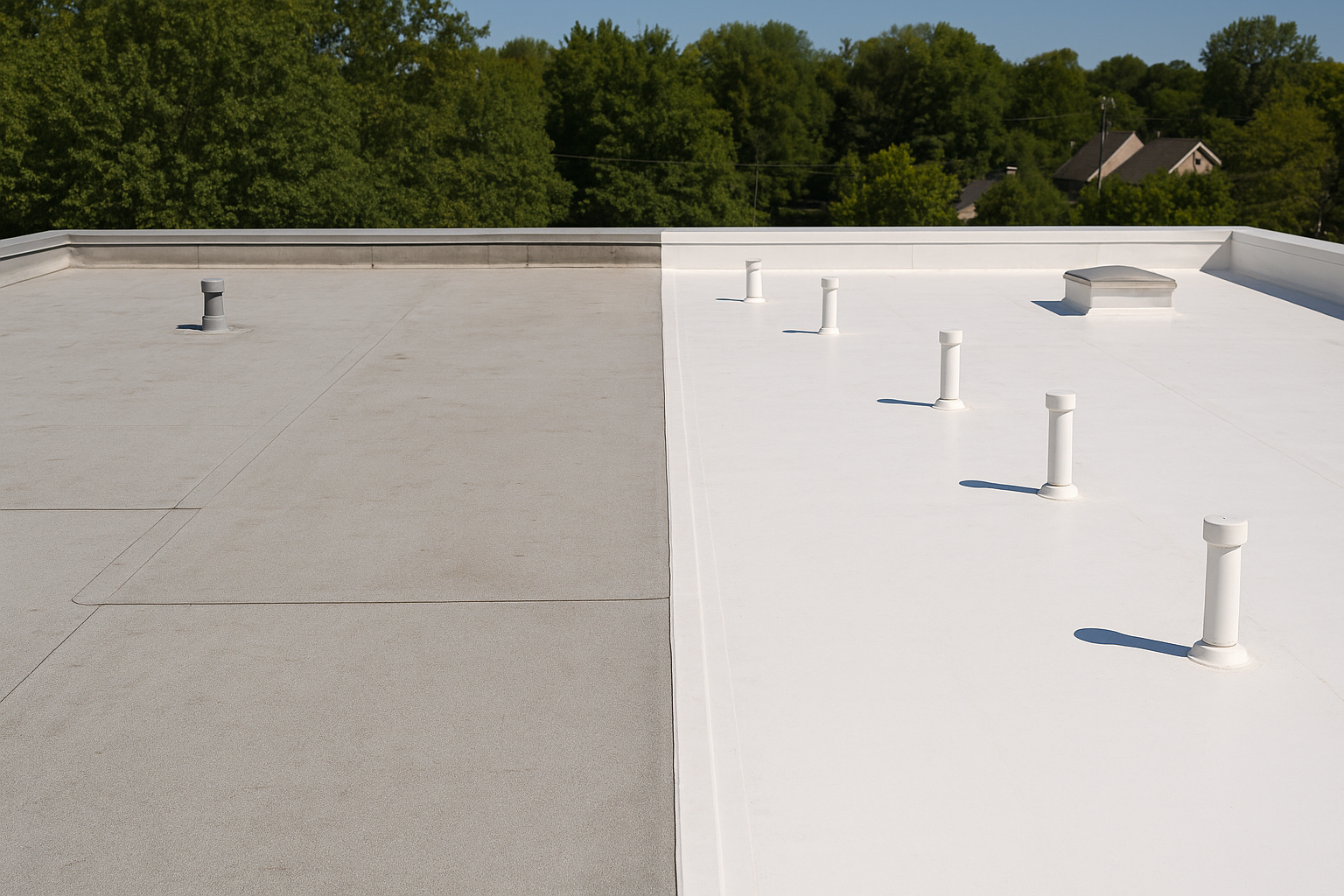
TPO: Highly reflective, especially in white. Reduces cooling costs in hot summers, which is valuable in warm and humid states — and even in Midwest summers.
EPDM: Black EPDM absorbs heat, making it ideal for colder climates where heating costs dominate. White EPDM exists but is less commonly installed.
For states like Ohio, which see hot summers and cold winters, both materials can make sense depending on which energy cost you want to offset more.
2. Seam Strength
TPO: Heat-welded seams are among the strongest in commercial roofing. This makes TPO especially good for large roofs where water pooling can be a concern.
EPDM: Uses adhesive or tape seams, which are effective but more prone to breakdown over time.
3. Durability & Resistance
TPO: Offers resistance to punctures, UV rays, and many chemicals. Still newer than EPDM, so it doesn’t have 50+ years of real-world track record.
EPDM: Extremely flexible and performs well in very cold climates. Excellent at resisting hail and freeze-thaw cycles.
4. Installation & Repairs
TPO: Lightweight, wide rolls make installation faster. Heat welding requires specialized equipment but results in fewer long-term seam issues.
EPDM: Straightforward to install and repair. Small patches and seam resealing are relatively easy, which is one reason it’s popular with budget-conscious owners.
5. Cost Considerations
Both are affordable compared to alternatives like PVC or built-up roofing. On average:
TPO installed: $5–$9 per sq. ft.
EPDM installed: $4–$8 per sq. ft.
EPDM is often slightly cheaper upfront, but TPO can lower energy bills over time, potentially balancing the cost.
Pros and Cons at a Glance
| Feature | TPO (Thermoplastic Polyolefin) | EPDM (Rubber Roofing) |
|---|---|---|
| Color | White / light colors (reflective) | Black (absorbs heat); white available |
| Energy Efficiency | Excellent (reduces cooling costs) | Good in cold climates; poor in hot ones |
| Seam Strength | Heat-welded, very strong | Adhesive/tape, weaker over time |
| Durability | 20–30 years; newer tech | 25–30+ years; decades of proven use |
| Installation Cost | $5–$9 per sq. ft. | $4–$8 per sq. ft. |
| Maintenance | Low, fewer seam issues | Easy to patch and repair |
| Best For | Energy savings, watertight seams | Budget-conscious, cold-weather builds |
What about TPO vs PVC? Find out the pros and cons of each here!
Which Is Right for Your Building?
Choose TPO if:
Energy efficiency is a top priority.
Your building has high cooling costs in summer.
You want strong seams with fewer leak concerns.
Choose EPDM if:
Upfront budget is the main factor.
Your building is in a colder climate where heat absorption helps.
You value a system with decades of proven performance.
The Ohio Perspective
Ohio property owners face four true seasons, which means both systems can work — but with trade-offs:
Southern Ohio (Cincinnati, Dayton, Columbus): Hot summers make TPO especially appealing for energy savings.
Northern Ohio (Cleveland, Toledo, Akron): Cold winters can make black EPDM a cost-effective choice, especially for older industrial buildings.
Final Thoughts
TPO and EPDM are both excellent choices for commercial flat roofs, but they serve different needs:
TPO offers modern efficiency and watertight seams.
EPDM provides a lower upfront cost and proven reliability.
The right choice depends on your building’s size, location, energy costs, and long-term budget strategy. A professional commercial roofing contractor can walk you through the pros and cons for your specific project.
Need help deciding? Reach out to us today and schedule your free consultation with our experts.